2 hr
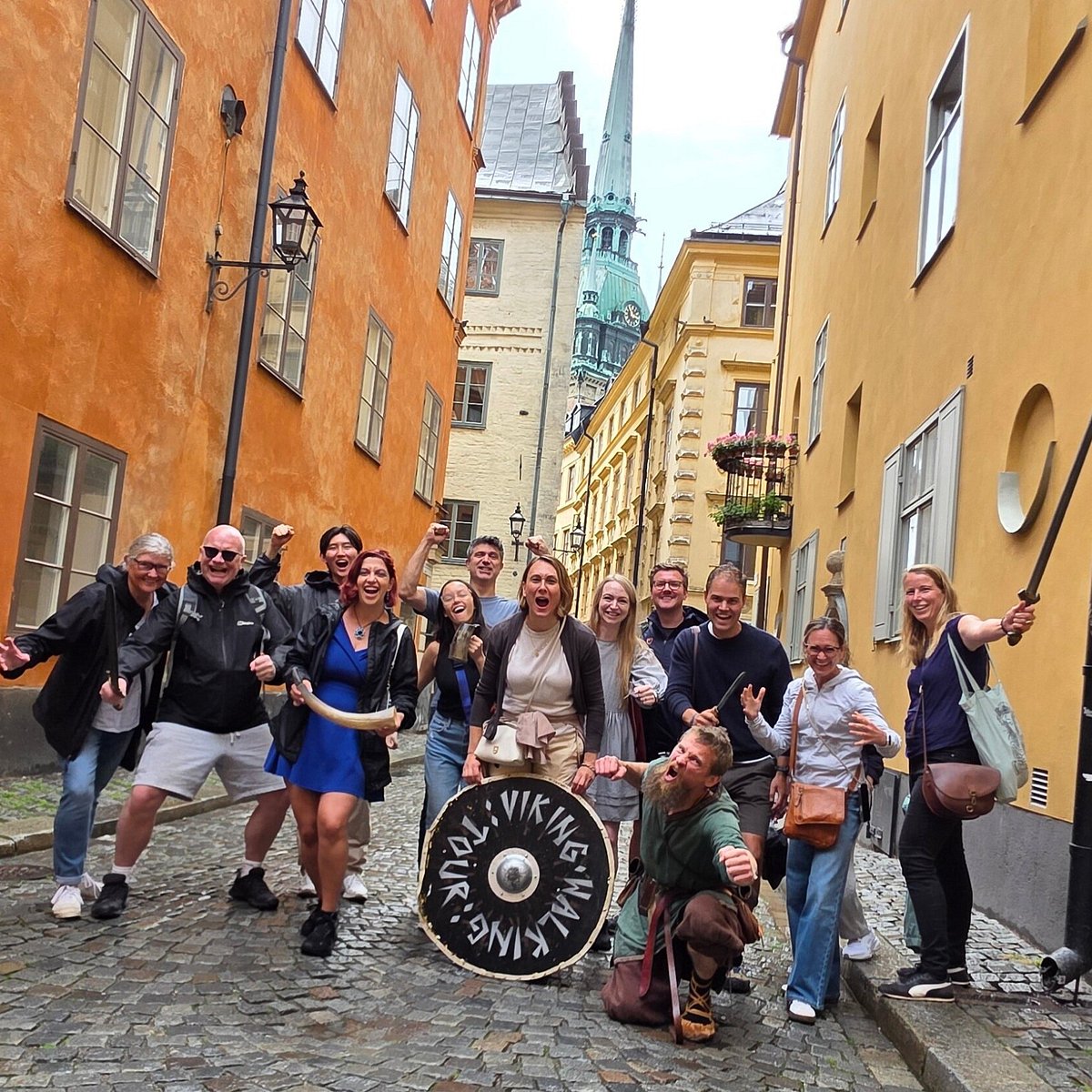
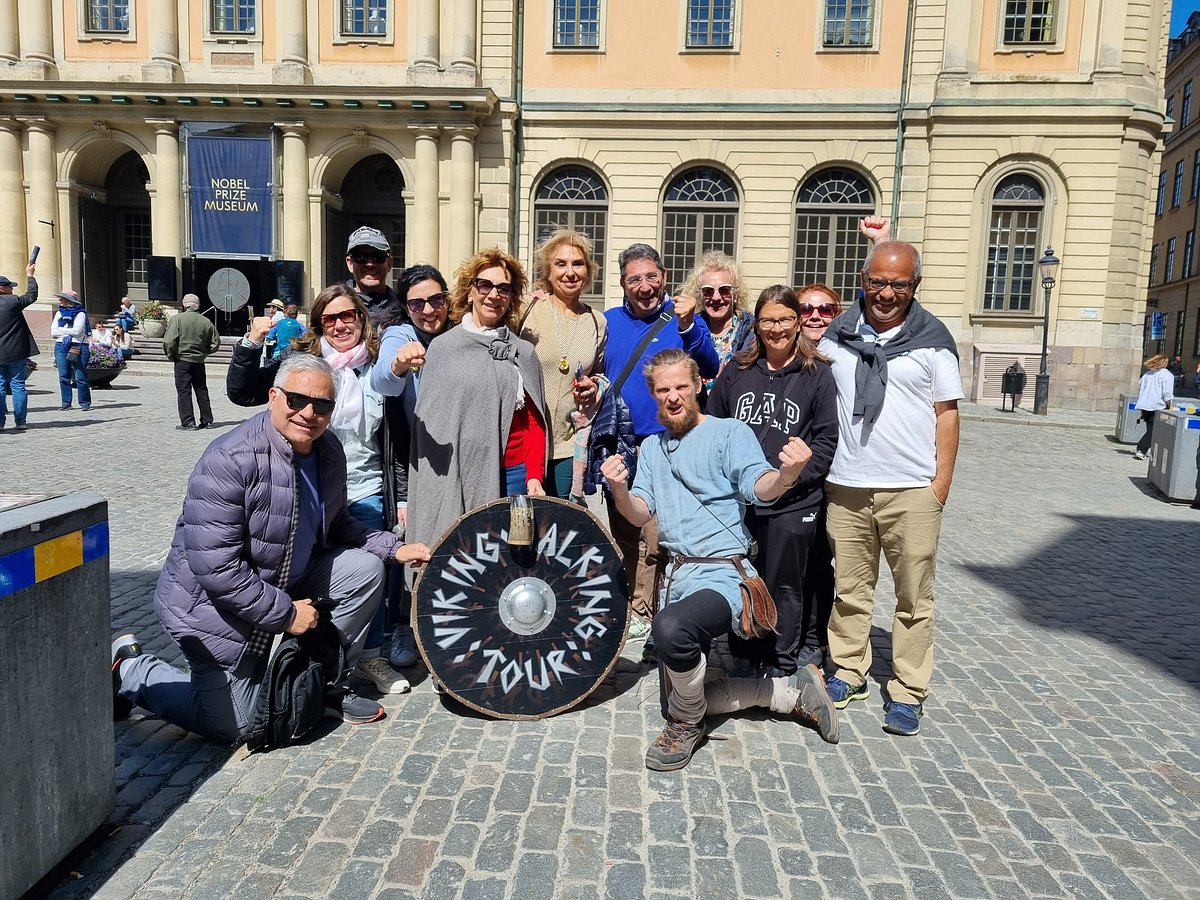
Gamla Stan Old Town Walking Tour with Local Guide
- Expert local guide
- Small group
- Skip-the-line access
- Free cancellation
Viking Walking Tours Stockholm — Guided Runestone Routes & Norse Heritage
Walk the cobblestone paths where Viking traders once bartered, trace the carved runes still visible in Old Town walls
Compare fares, pick the fit — all bookings are mobile-voucher and eligible for free cancellation where shown.
2 hr
2 hr 30 min
3 hr
| Experience | Duration | Rating | Skip-the-line | Guide | Small group | Free cancel. | Price | |
|---|---|---|---|---|---|---|---|---|
|
Guided Experience
Most popular
Gamla Stan Old Town Walking Tour with Local Guide
|
2 hr | ★ 4.7 | ✓ | ✓ | ✓ | ✓ | €14 | Book → |
|
Guided Experience
Gamla Stan Old Town Walking Tour
|
2 hr 30 min | ★ 4.8 | ✓ | ✓ | ✓ | ✓ | €20 | Book → |
|
Standard Entry
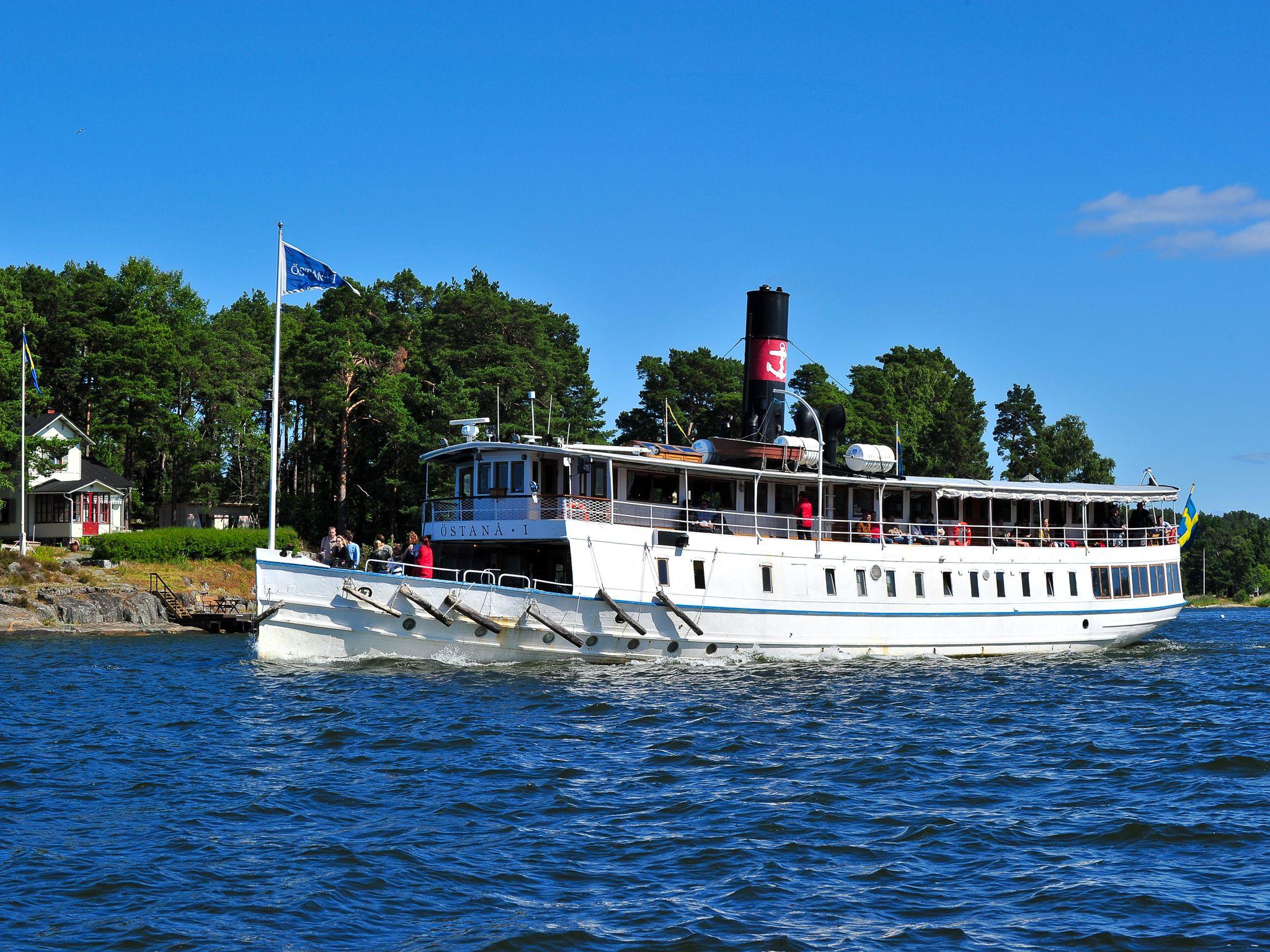
Stockholm Archipelago Sightseeing Cruise
|
3 hr | ★ 4.3 | — | — | — | ✓ | €26 | Book → |
Worth it for immersive history seekers
Viking walking tours stockholm guide you through Gamla Stan's runestone sites and medieval squares where Norse traders once gathered, offering outdoor historical context for 200-400 SEK per person depending on group size and guide inclusion. The Viking Museum presents a different value proposition: an indoor 199 SEK ticket includes Ragnfrid's Saga, an immersive dark ride through reconstructed settlements, plus artifact exhibitions spanning the Viking Age. Walking tours deliver authentic street-level storytelling around actual runestones and archaeological sites, while the museum concentrates its narrative into a single climate-controlled venue with theatrical staging. For visitors prioritizing tangible historical ground—standing where Norse merchants traded—the guided Stockholm walking options justify their cost. Those seeking cinematic immersion without weather dependency will find better value in the museum's bundled ride and exhibition. Neither replaces the other: runestone walks connect you to preserved Viking-era landmarks across the city, while the museum compresses centuries into an hour-long sensory experience.
Bottom line: Choose walking tours if you want to stand where Vikings actually lived and traded; choose the museum for narrative immersion without the elements.
The Viking Museum offers an immersive indoor exhibition, whereas Stockholm Historical Walking Tours provide a guided outdoor exploration of city landmarks. These options complement each other; visitors seeking deep historical context often book viking walking tours stockholm tours to pair with their museum visit.
|
Top pick The Viking Museum |
Stockholm Historical Walking Tours | |
|---|---|---|
| Environment Type | Indoor climate-controlled | Outdoor city streets |
| Level of Interaction | Audio-visual ride and exhibits | Live guide narrative |
| Narrative Style | Thematic storytelling and sagas | Academic local history focus |
| Weather Dependency | None | High |
| Duration | 1.5–2 hours | 2–3 hours |
| Flexibility | Self-paced exploration | Fixed schedule viking walking tours stockholm tickets |
| See tickets & prices |
Verdict: Choose the museum for a sensory-rich look at Norse life, or opt for a viking walking tours stockholm tour if you prefer traversing the landscape to find authentic runestones.
Hand-picked experiences loved by thousands of travelers
2 hours
Free Cancellation
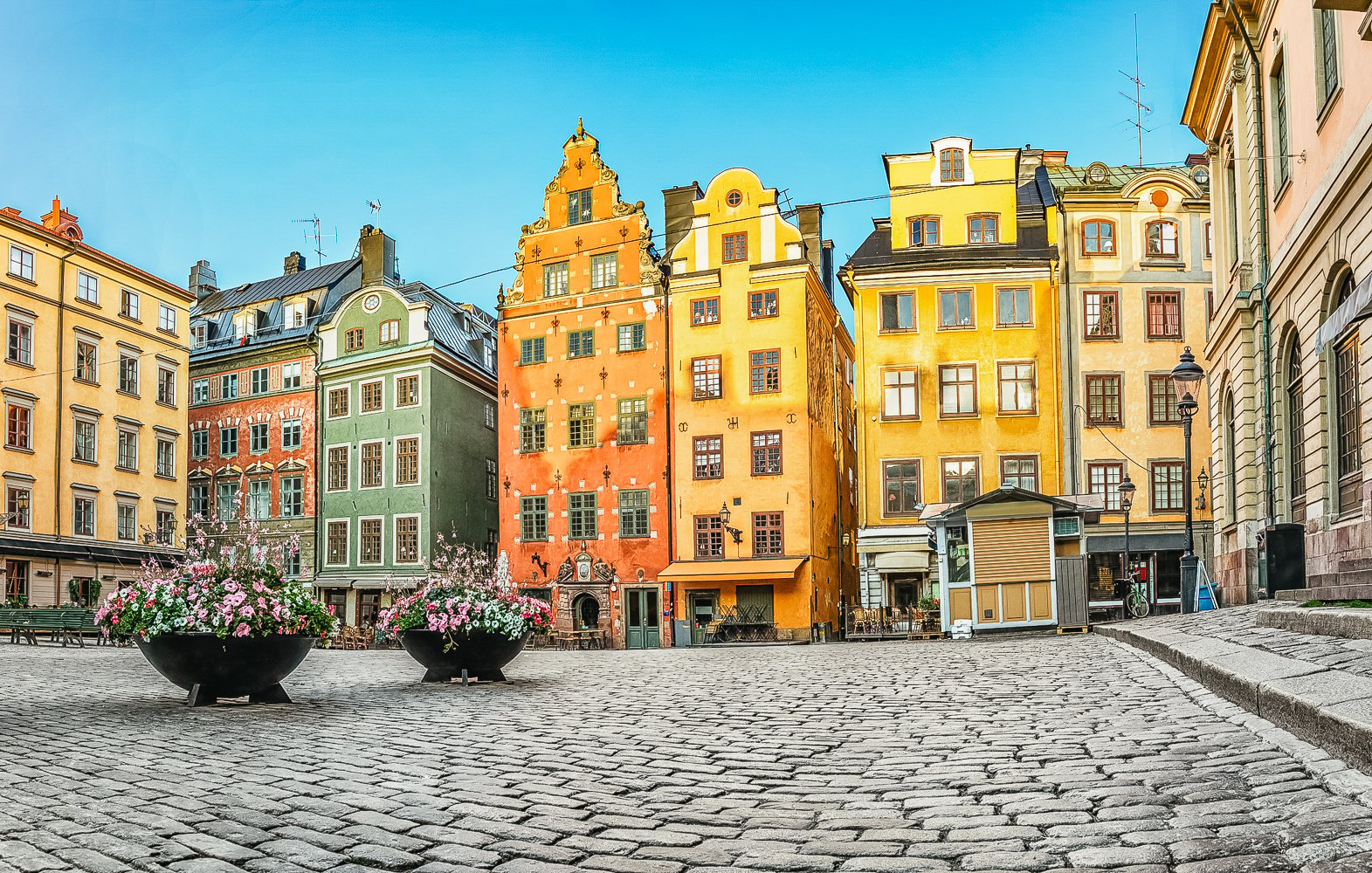
Uncover medieval secrets and royal heritage on an intimate guided walk through Gamla Stan's timeless streets
2-3 hours
Free Cancellation
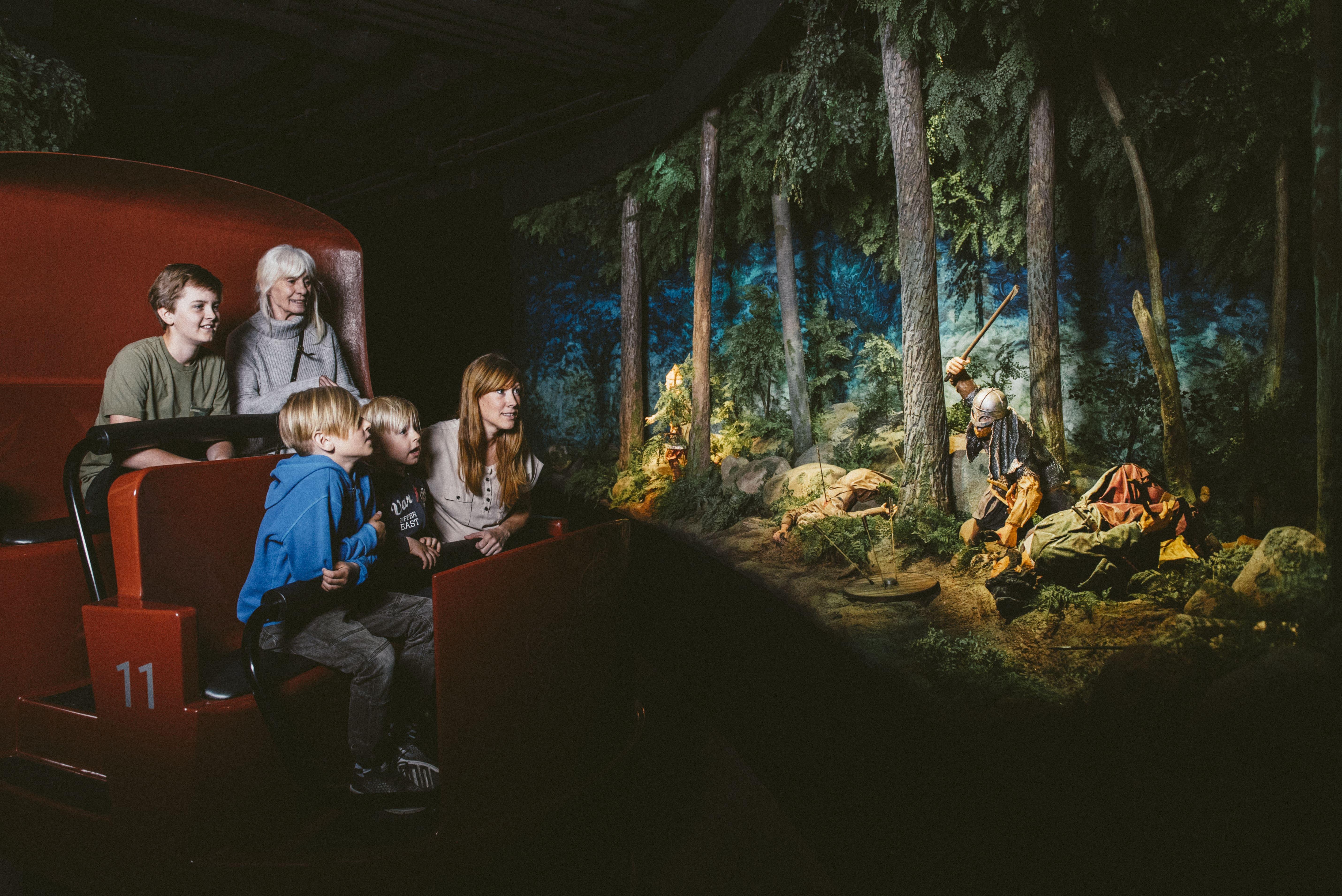
Interactive Viking Age journey featuring artifacts, immersive environments, and an 11-minute family adventure ride
8–9 hours
Free Cancellation
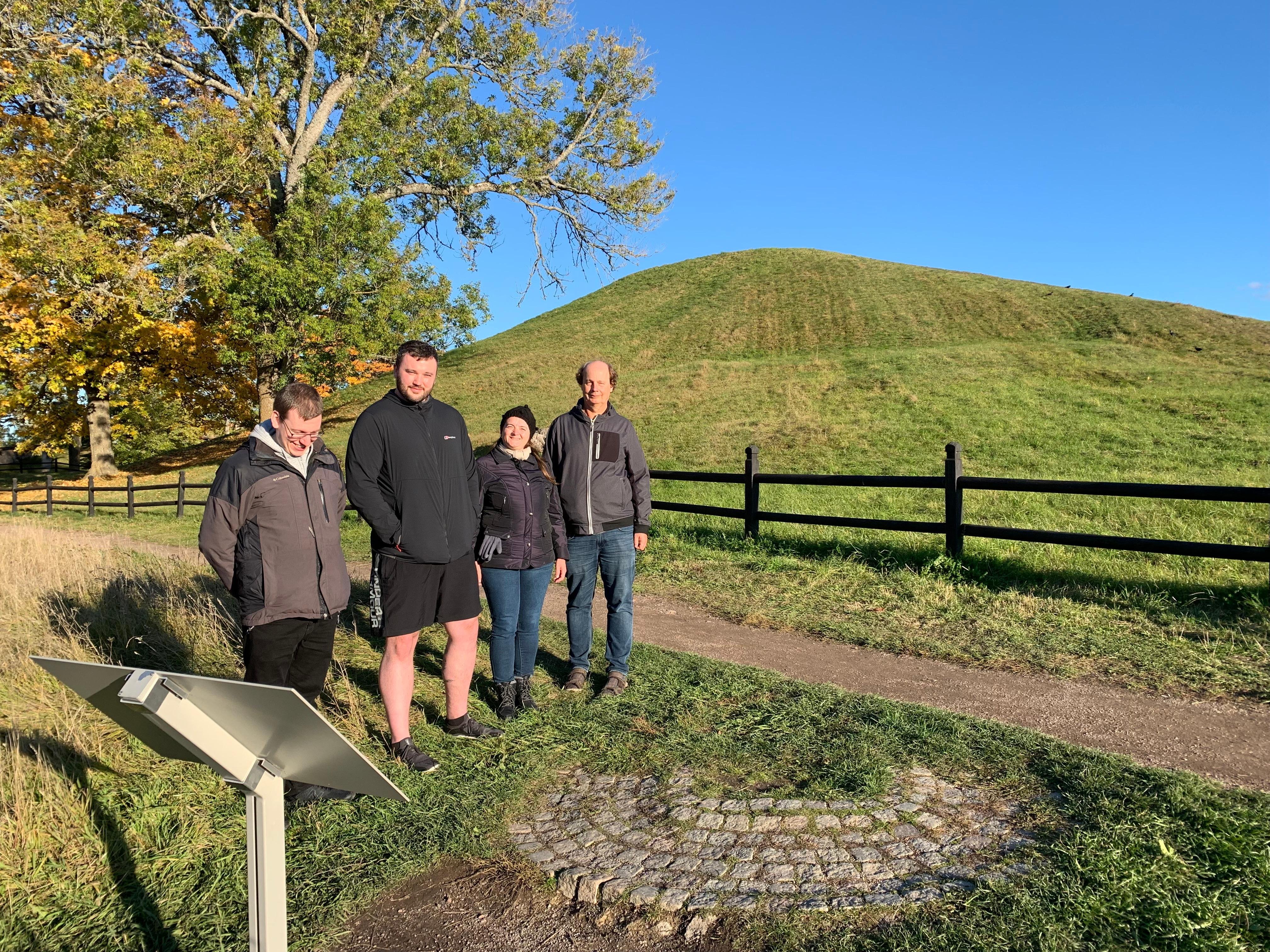
Journey through a millennium of Norse heritage at ancient burial grounds, rune stones, and Sweden's oldest town
2 hours
Free Cancellation
Step into medieval Stockholm and uncover centuries of royal intrigue, legends, and hidden stories.
6 hours
Free Cancellation
Journey through ancient burial grounds, rune stones, and Sweden's oldest town on this immersive half-day adventure
9 hours
Free Cancellation
Journey through Sweden's Viking past with burial mounds, rune stones, and medieval churches on this intimate small-group adventure.
3 hours
Free Cancellation
Discover medieval Stockholm's hidden corners and iconic landmarks on an intimate 3-hour walk through Gamla stan
3 hours
Free Cancellation
Uncover Stockholm's medieval past on a guided walk through Gamla Stan, ending with a traditional feast
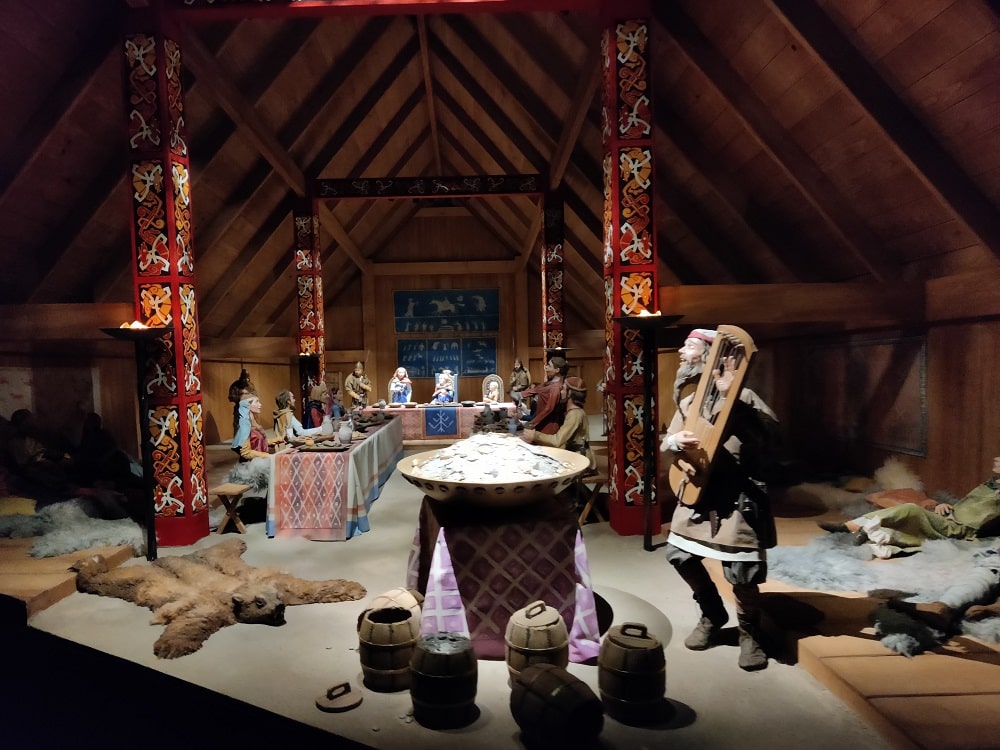
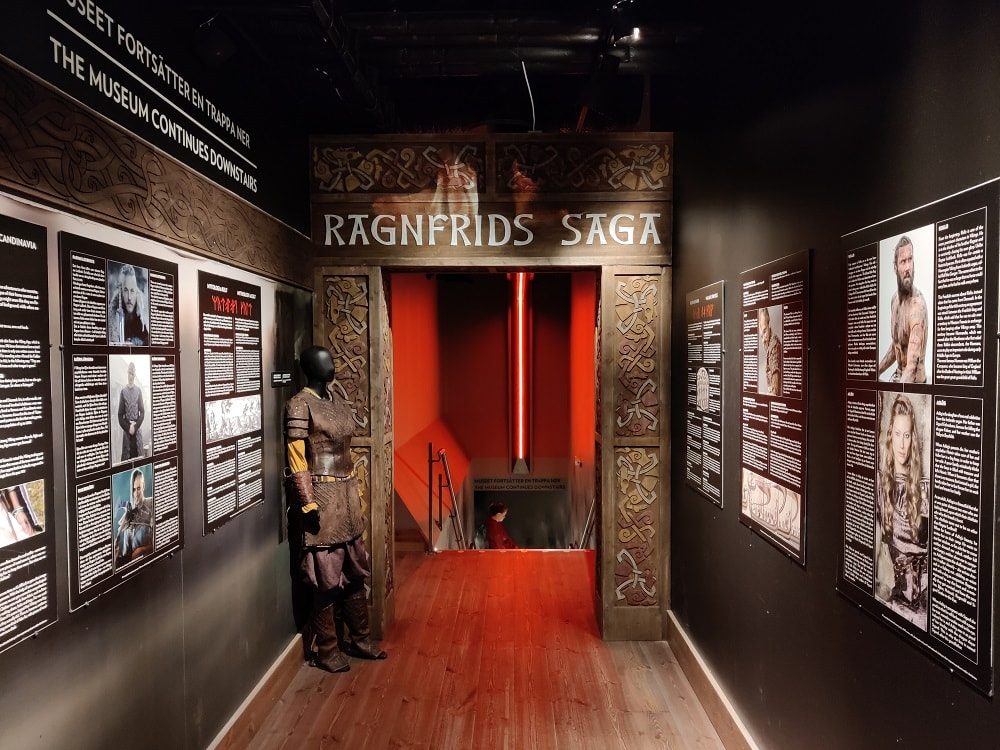
An 11-minute motion-ride journey through 10th-century Europe narrated by Ragnfrid.
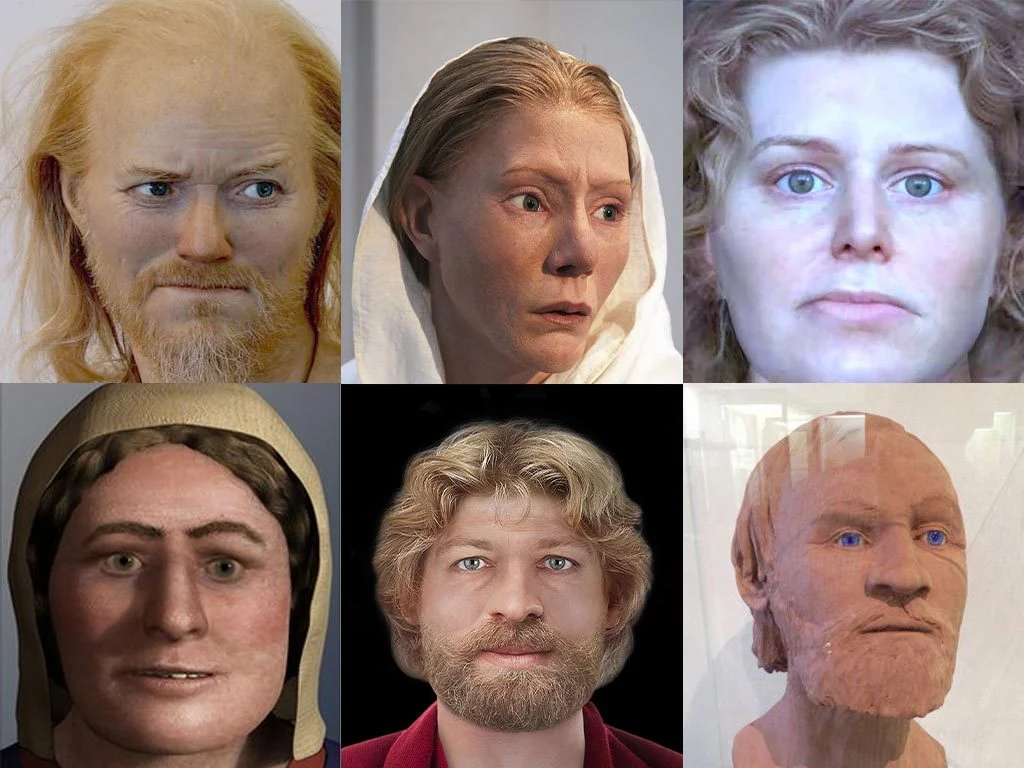
A life-size figure created using real DNA evidence from Sigtuna.
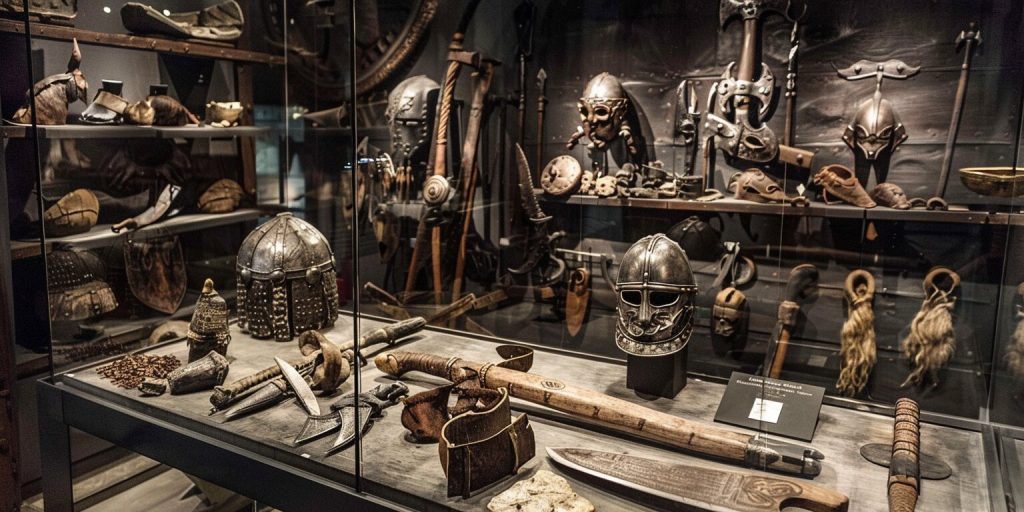
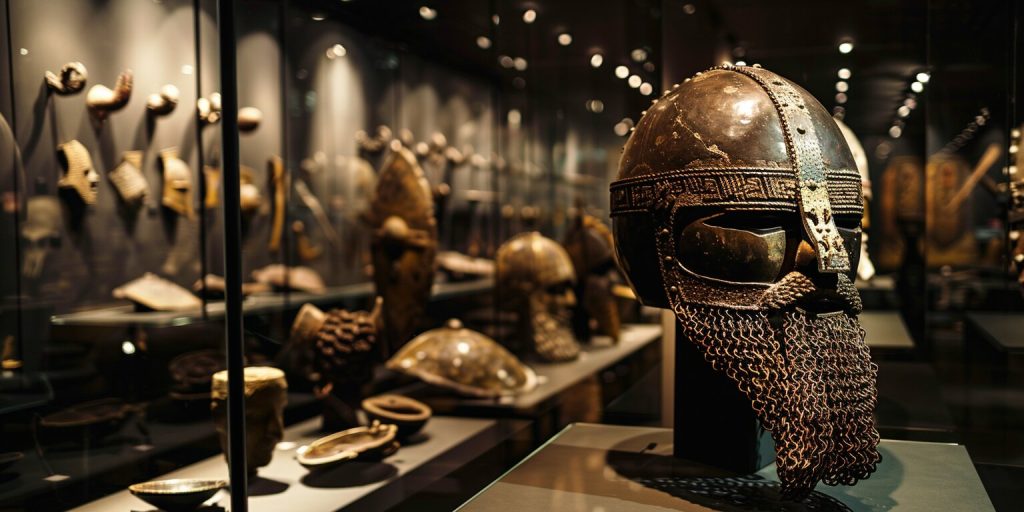
Collection of 30 historical objects on loan from the Swedish History Museum.
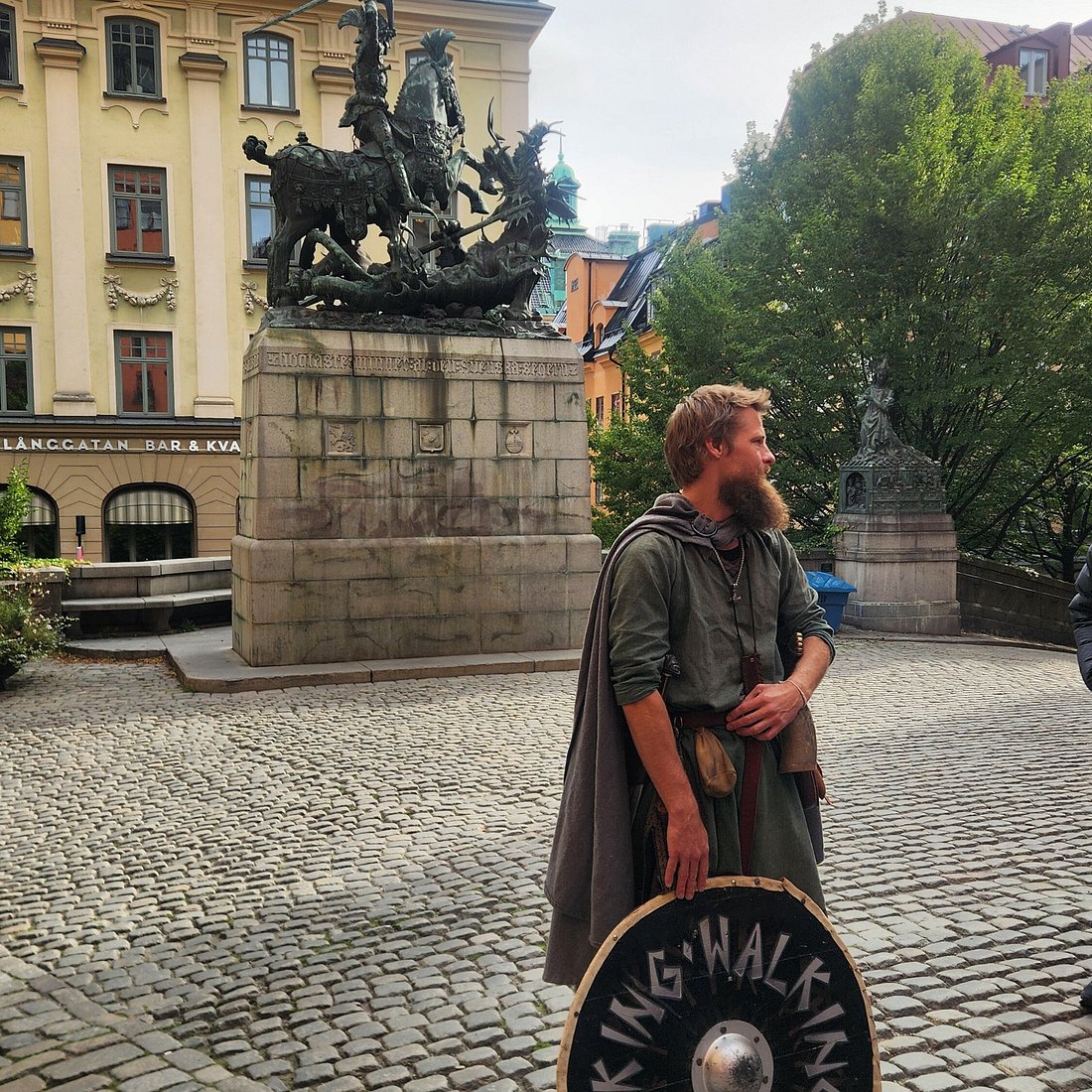
Daily sessions led by guides in traditional Viking-era clothing.
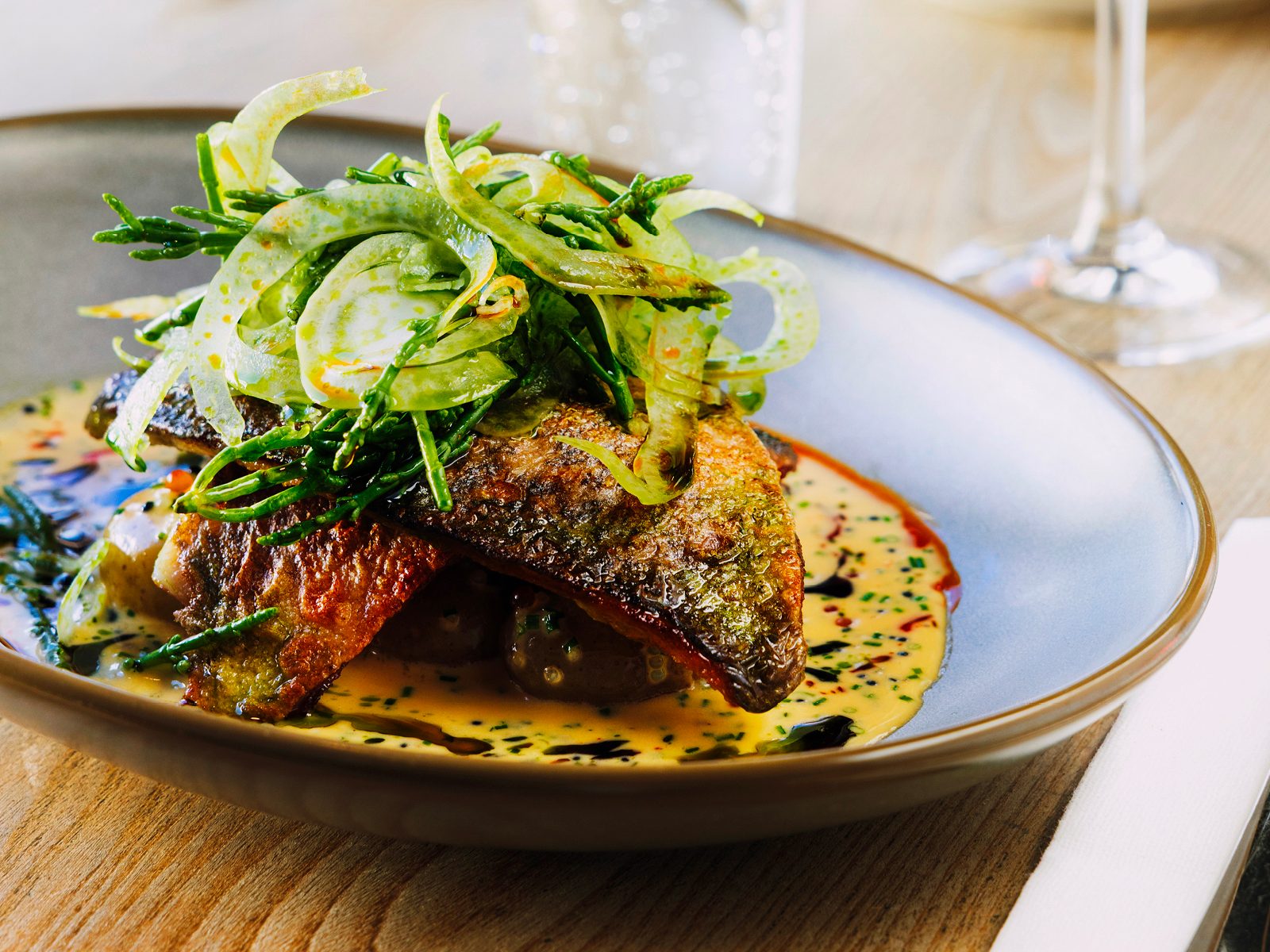
Dining space serving seasonal Nordic food and traditional Viking mead.
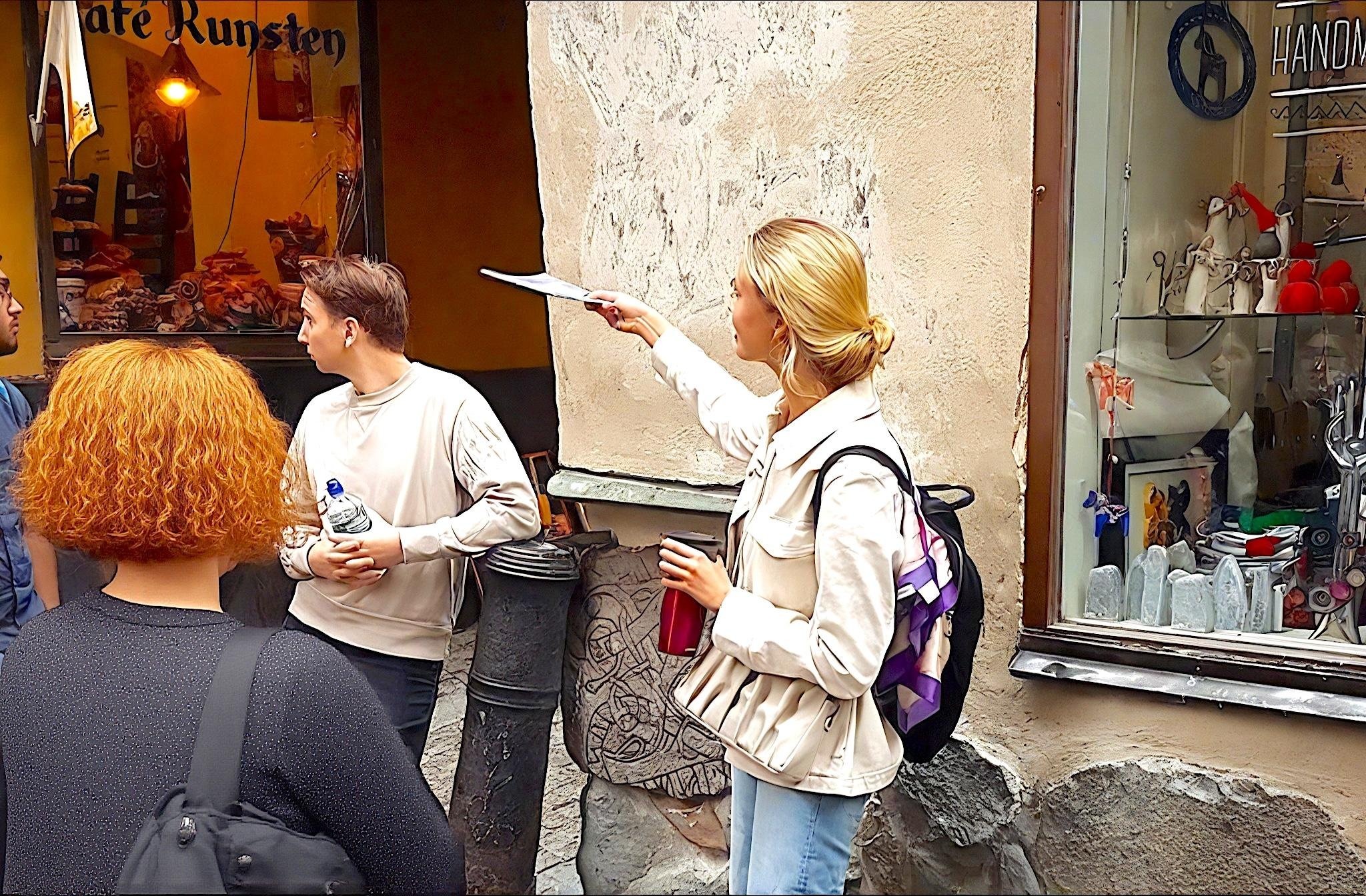
You meet your guide at Järntorget, the Iron Square, where medieval blacksmiths once forged the tools that built Stockholm's merchant fleet. The group is small — eight to twelve participants — and your guide, a university-trained historian, carries a laminated map of the Old Town's Viking-era runestone locations.
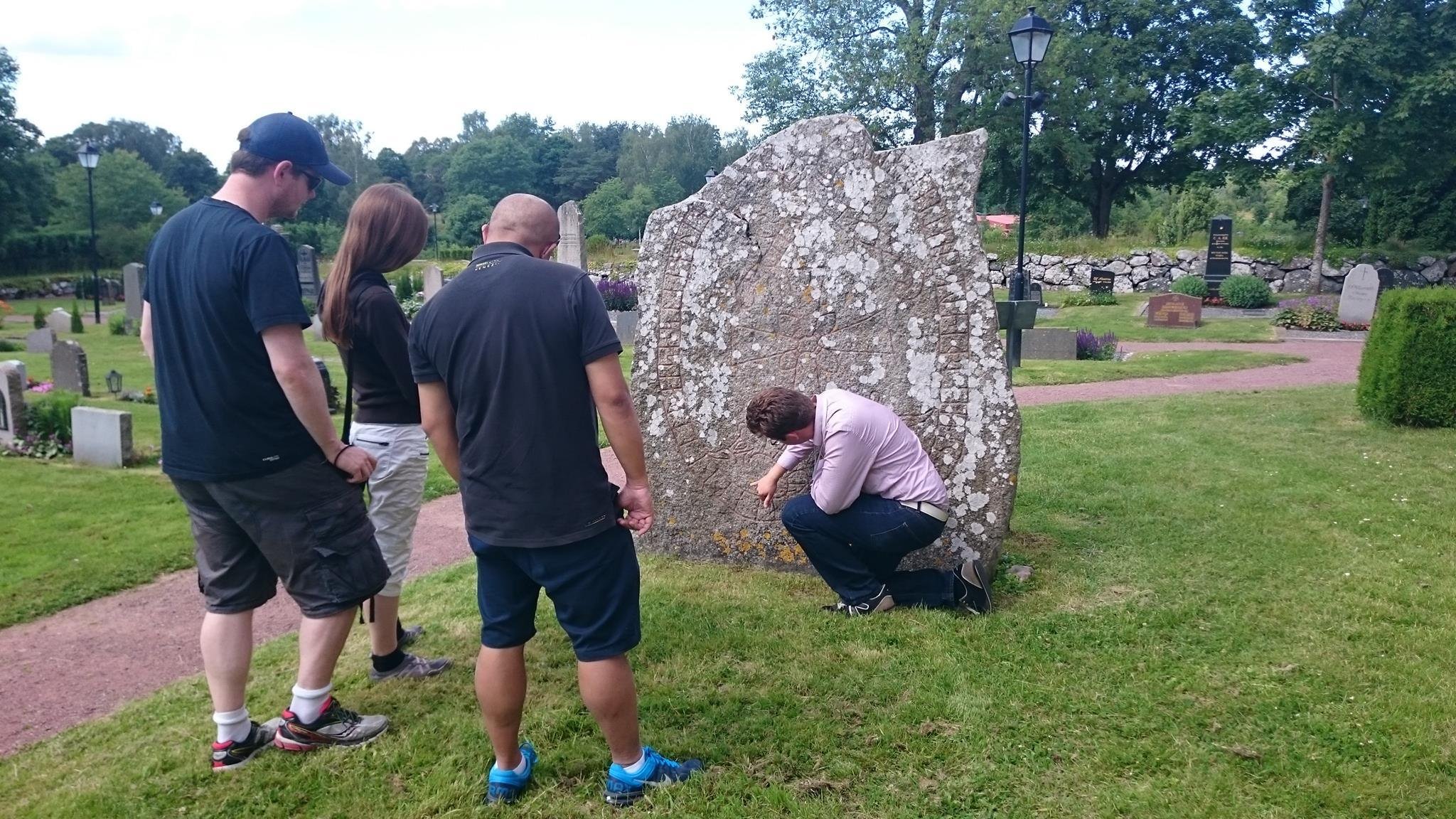
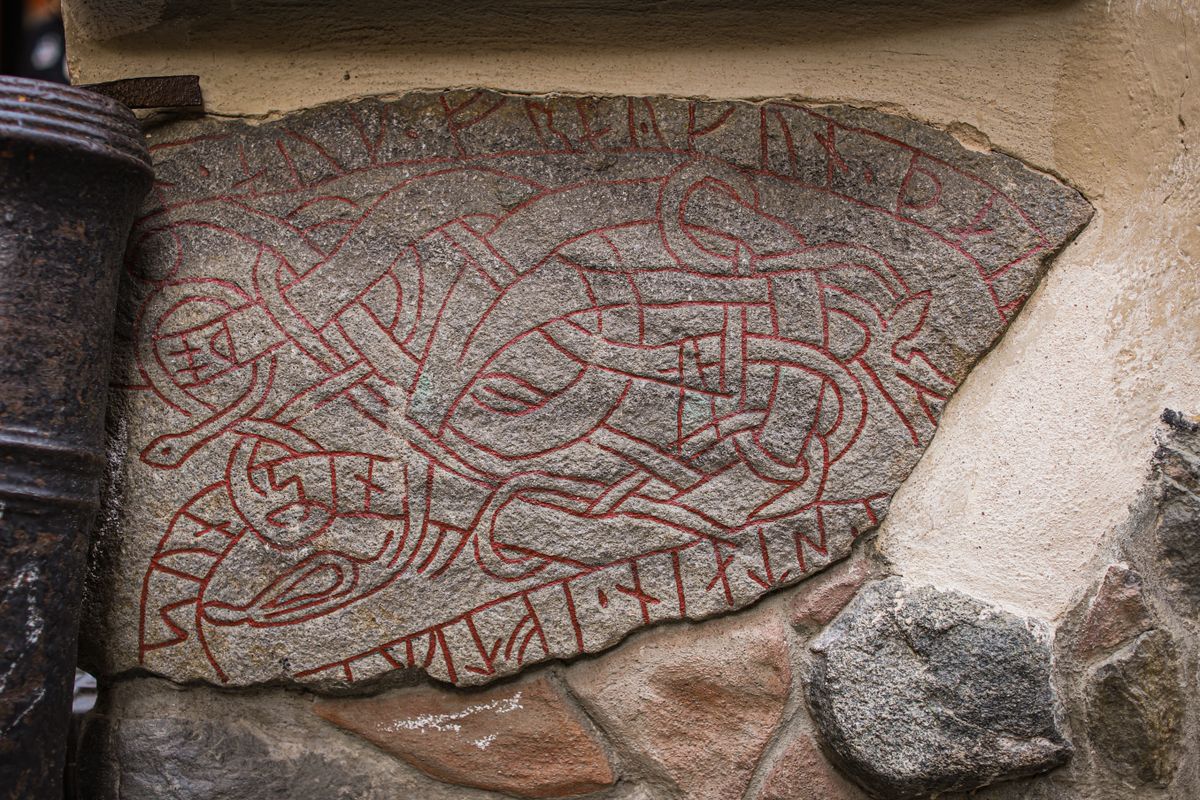
You walk north along Västerlånggatan, pausing after two minutes at a recessed wall niche where the U 53 fragment is mounted. Your guide translates the partial inscription, explains the carving technique, and points out the serpent motif that frames the text.
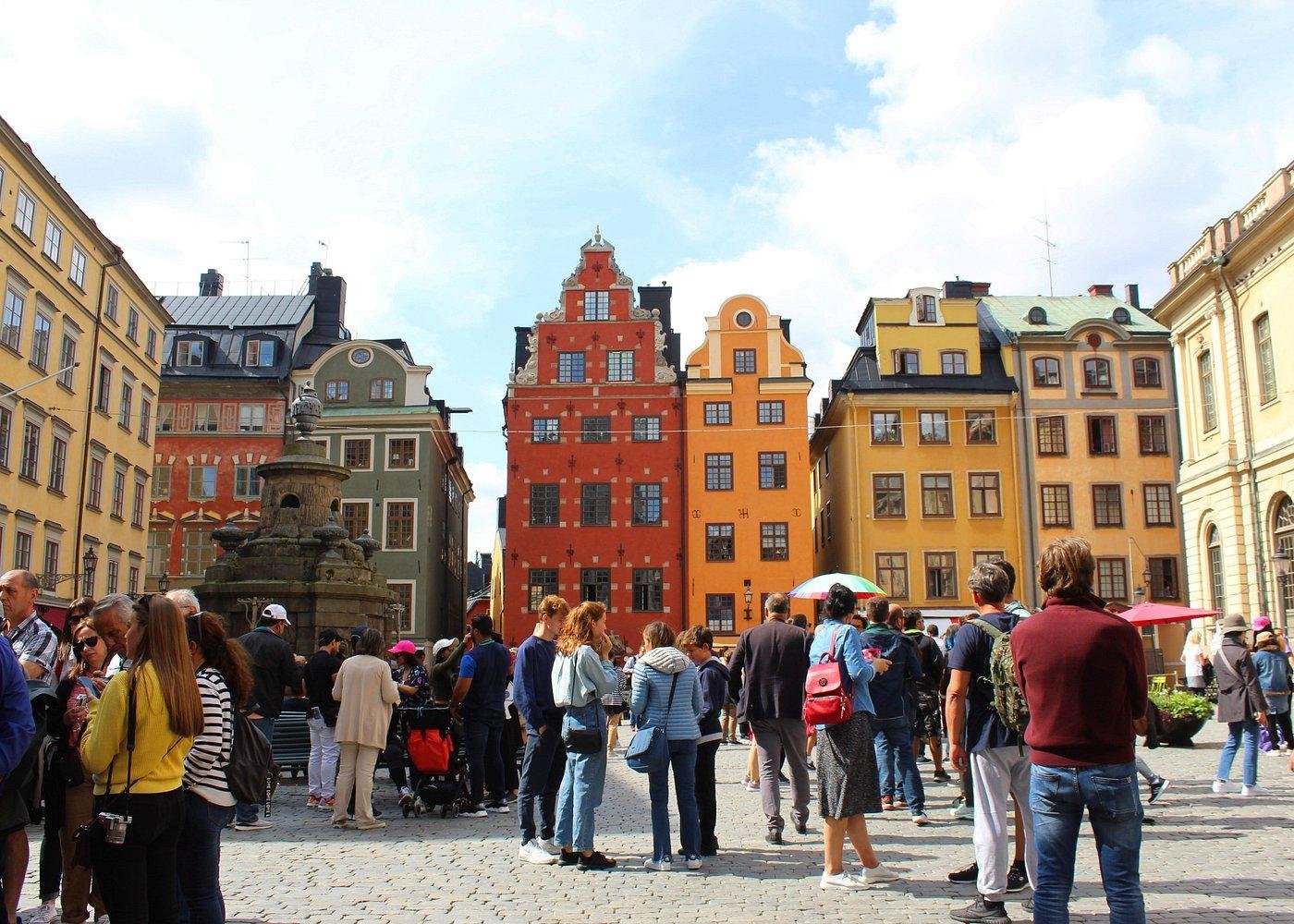
The route continues through Stortorget, the main square, where your guide describes the Viking-age harbor that once lapped against the island's eastern shore before centuries of landfill pushed the waterline back. You turn into Köpmangatan, the narrowest lane, and stop at a second runestone embedded at knee height in a building facade. The guide provides context on the Christianization of Sweden and how runic memorials shifted from pagan to Christian imagery after 1000 CE.
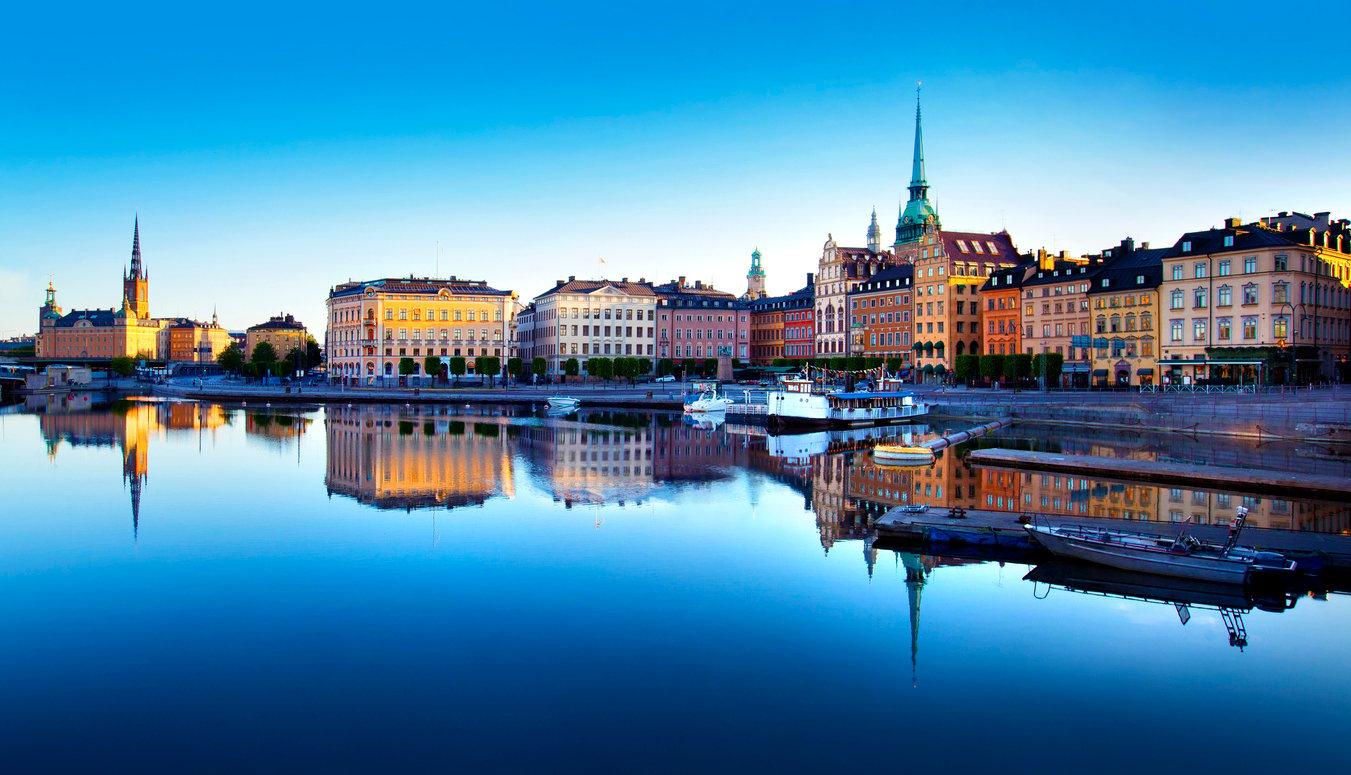
The tour ends ninety minutes later at Riddarholmen Church, where you stand on a stone terrace overlooking the water. Your guide summarizes the transition from Viking Age to medieval kingdom, pointing across the inlet to the spires of Gamla Stan, and recommends the Viking Museum on Djurgården for those wanting to see artifacts recovered from Stockholm's archipelago burial sites.
All the details about your upcoming adventure in one place
Stockholm's oldest Viking runestone, the Risbyle stone, was carved in the eleventh century and now rests inside the Swedish History Museum, but thirty-two runic inscriptions remain embedded in the cobblestone fabric of Gamla Stan, many of them overlooked by the quarter-million visitors who walk past them each year.
These weathered carvings — memorial stones, boundary markers, and devotional texts — were chiseled by Norse craftsmen between 950 and 1100 CE, during the final decades of the Viking Age when Stockholm's archipelago served as a strategic trading corridor between the Baltic and inland Mälaren settlements.
The city's foundation in 1252 by Birger Jarl came 150 years after the Viking Age formally ended, yet the Norse influence remained visible in the street grid, harbor infrastructure, and linguistic traces that modern Swedish preserves. Gamla Stan's Köpmangatan, one of Europe's narrowest medieval lanes, follows a trade route established by Viking merchants who carried furs, amber, and iron ingots westward and returned with Frankish silver and Byzantine silk. The Riddarholmen Church, consecrated in 1270, was built over an earlier wooden structure that archaeological digs have linked to a late Viking-era assembly site.
Viking walking tours Stockholm guides now lead groups through these layered histories, pausing at the U 53 runestone fragment embedded in the wall of Stora Nygatan 10, where a partial inscription reads "...raised this stone in memory of Ulf, his father." The Old Town's compacted geography — 36 hectares on a single island — preserves these Norse remnants within a ten-minute walking radius. The tours also trace the Eriksgata, the medieval coronation route Swedish kings traveled to legitimize their rule, which closely followed Viking-era paths connecting regional thing sites, the open-air assemblies where free men settled disputes and ratified laws.
Today, guided historical walking tours through Stockholm's medieval quarter connect visitors with the material culture of the Norse world: the iron-smelting techniques that funded Viking expansion, the runic alphabet that encoded Old Norse speech, and the maritime networks that made Stockholm a nexus between Scandinavian heartlands and the wider medieval economy. These walking routes pass the German Church, the Royal Palace courtyard, and the Nobel Museum, but the runestones remain the most direct link to the city's Viking roots, their angular inscriptions still legible after a millennium of Baltic winters.

Thirty-two runic inscriptions remain embedded in the cobblestone fabric of Gamla Stan, many overlooked by the quarter-million visitors who walk past them each year.
Casual comfortable attire is recommended for exploring The Viking Museum.
Smaller bags and backpacks are permitted, but must be carried by hand or stored in available lockers. Unattended bags will be removed for security.
Photography is permitted in the exhibition areas of The Viking Museum.
Stroller parking is provided outside; strollers are generally restricted inside during peak summer and school holiday periods.
The entire museum, including the exhibition space and restaurant, is wheelchair accessible.
Restaurant Eld at The Viking Museum offers Nordic-inspired cuisine and traditional mead.
Opening Hours
10:00–18:00
Address
Djurgårdsstrand 15, 115 21 Stockholm, Sweden
Accessibility
Full wheelchair access
Best Arrival
10:00–16:00
Storage
Lockers available onsite
Navigation
+46 8 400 229 90
Full refunds are available for cancellations made at least 24 hours before the scheduled visit. Standard adult admission of 199 SEK covers the exhibition and Ragnfrid's Saga ride.
Recommended time
1.5–2.5 hours
Most visitors find that 1.5 to 2.5 hours provides ample time to explore the interactive exhibition and experience the Ragnfrid’s Saga ride at a comfortable pace. To optimize your visit, consider combining the museum with one of the available viking walking tours stockholm that explore local landmarks and Norse heritage. Booking your viking walking tours stockholm tickets in advance helps streamline your schedule, while keeping a viking walking tours stockholm tour planned for the late morning allows you to enjoy the city center before heading to the Djurgården waterfront.
Crowd levels through the day
Stockholm's role as a Viking Age hub emerged between 790 and 1050 CE, when the Mälaren basin served as a gateway linking Baltic trade routes with inland settlements. Birka, founded around 760 on Björkö island thirty kilometers west of modern Stockholm, became Scandinavia's first urban center and a crucible of commerce where Arab silver, Frankish glass, and Slavic furs changed hands. The town's sudden abandonment in the late tenth century—possibly due to shifting sea levels that isolated its harbor—redirected trade through Sigtuna, established around 980 as Sweden's first Christian town. Rune stones erected along the approach roads commemorated merchants and warriors who died on expeditions to Gardariki and Miklagard. These inscribed granite monuments, many still standing in their original positions, document the names of ship captains, inheritance disputes, and bridge-building projects funded by successful traders. Stockholm itself did not exist during the Viking Age proper. The city was founded around 1252 by Birger Jarl on the island of Stadsholmen, two centuries after the close of the Viking period. Yet the bedrock beneath the Old Town preserves traces of earlier activity: archaeological digs near Kornhamnstorg have uncovered tenth-century arrowheads and loom weights. The network of viking walking tours stockholm today threads through Gamla Stan's medieval lanes before reaching Sigtuna and the Uppland runestone circuit, where the Jarlabanke Bridge stones and the Ramsund carving narrate the Sigurd legend in visual form. These itineraries connect the dots between the seafaring culture that dissolved by 1100 and the fortified trading post that rose in its wake, allowing visitors to trace the shift from pagan warlords to Hanseatic merchants through surviving inscriptions and excavated harbor pilings. The rediscovery of Stockholm's Viking heritage accelerated in the nineteenth century when antiquarians mapped the runestone distribution across Uppland. Systematic excavation of Birka began in 1871 under Hjalmar Stolpe, whose work on the Black Earth harbor district revealed workshops, weights, and weaponry that confirmed the sagas' descriptions of a cosmopolitan emporium. By the 1930s, motorized viking walking tours stockholm tickets enabled tourists to visit Björkö by ferry, though wartime fuel rationing suspended services between 1940 and 1946. Today the UNESCO-listed site anchors a constellation of tours that interpret the region's pre-urban past.
Birka founded on Björkö island, becoming Scandinavia's first permanent trading town.
Sigtuna established as Sweden's initial Christian settlement after Birka's decline.
Jarlabanke commissions bridge and runestones across Uppland, marking trade routes.
Birger Jarl founds Stockholm on Stadsholmen, two centuries after the Viking Age ends.
Hjalmar Stolpe begins systematic excavation of Birka's Black Earth harbor district.
Birka and Hovgården receive UNESCO World Heritage designation for their archaeological significance.
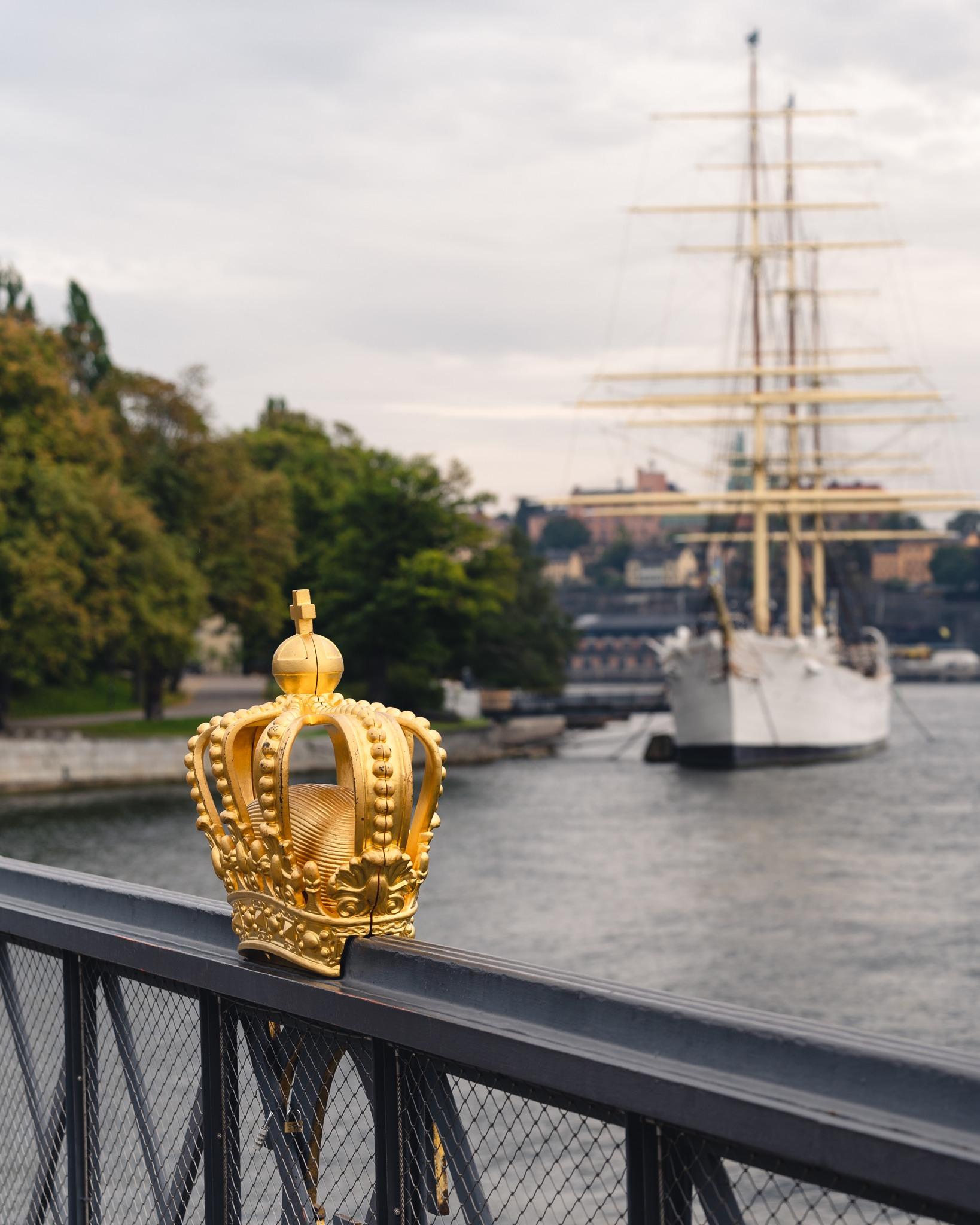
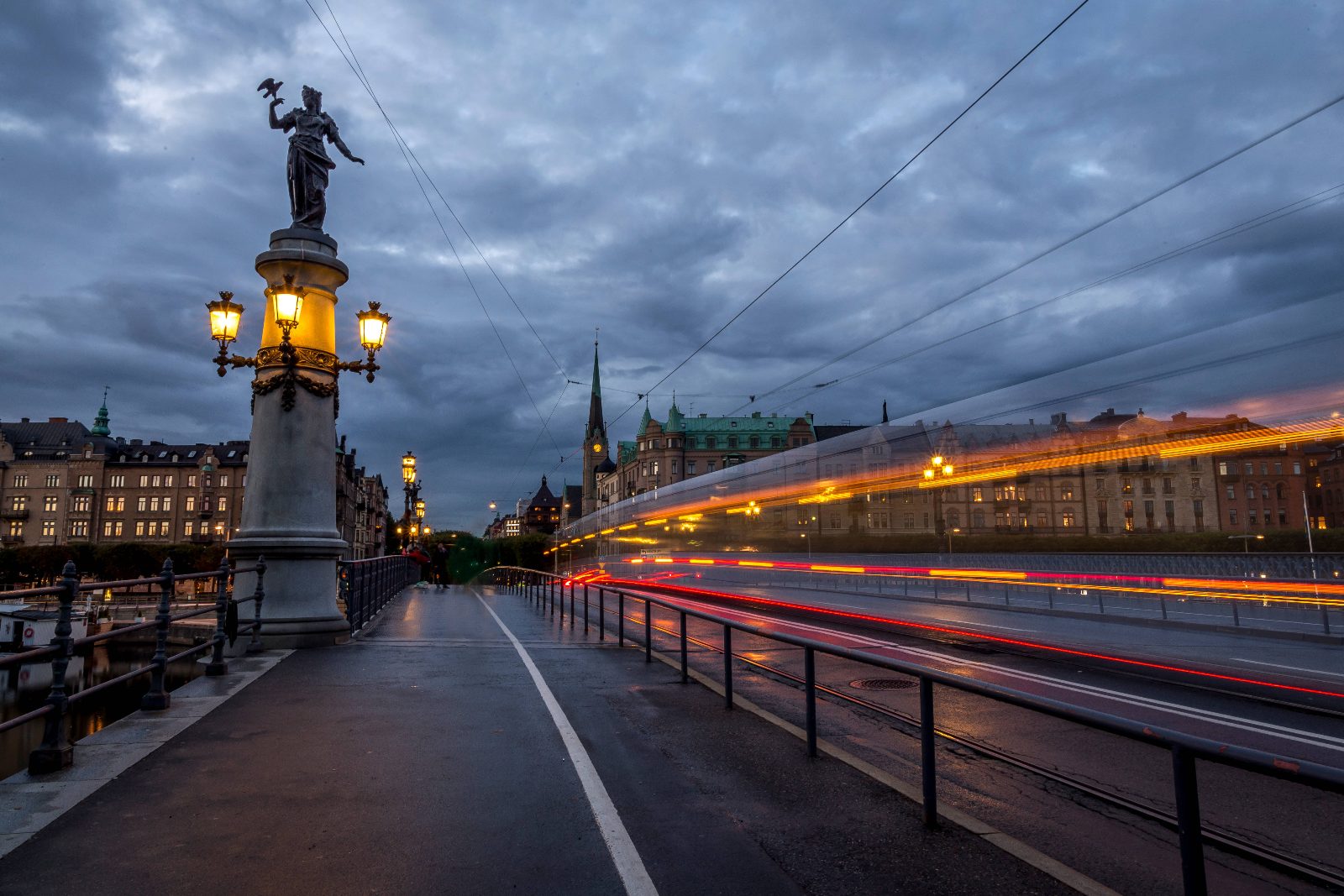
Stand at the center of the bridge for a symmetrical shot of the canal with the museum district in the background. This perspective captures the maritime character of the city before you head toward your viking walking tours stockholm experience.
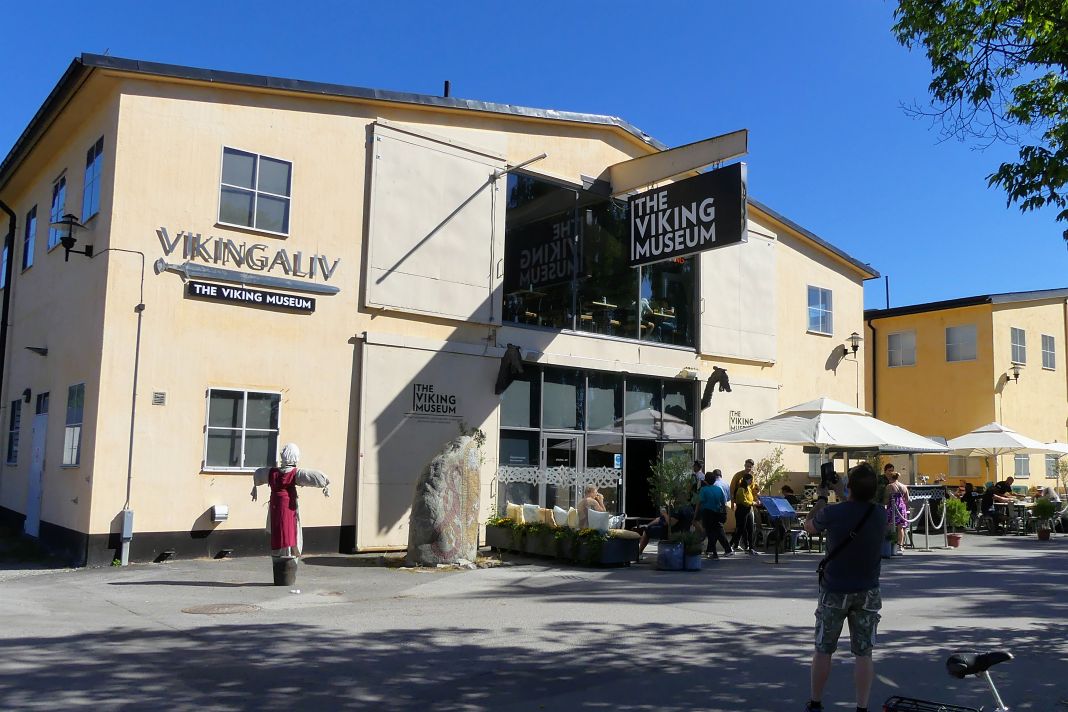
Position yourself at the main entrance plaza to capture the signage and architecture. This is a common meeting point for those starting a viking walking tours stockholm tour.
Frame the doorway to the immersive ride attraction. This area offers a dramatic low-light setting that contrasts with the lighter museum corridors.
Capture the detailed craftsmanship of the historical artifacts and runestone replicas housed within the main gallery. Guests often secure viking walking tours stockholm tickets to gain deeper context for these displays.
Planning a family outing requires careful preparation, whether you are interested in viking walking tours stockholm or exploring the immersive exhibits at our museum. We aim to ensure your visit is smooth, accessible, and engaging for all ages.
The museum is fully accessible for strollers, and the open layout allows for easy navigation through the historical displays.
Clean baby-change facilities are available on-site to support families with young children during your visit.
The museum experience, including Ragnfrid's Saga, is designed to be engaging for children and adults alike, making it a great addition to your viking walking tours stockholm tours.
To ensure a comfortable visit, we recommend the best arrival window of 10:00–16:00 to avoid peak crowds.
Standard adult admission is 199 SEK, which provides access to the exhibition and the ride, making it a convenient stop after completing a viking walking tours stockholm tour.
Our location at Djurgårdsstrand 15 serves as a perfect hub for those using viking walking tours stockholm tickets to explore the city's rich heritage.
Visitors exploring the area near viking walking tours stockholm will find convenient refreshment options directly on-site and throughout the Djurgården island district. Whether you are looking for a quick bite after securing your viking walking tours stockholm tickets or a sit-down meal, several historic and modern establishments are just a short walk away.
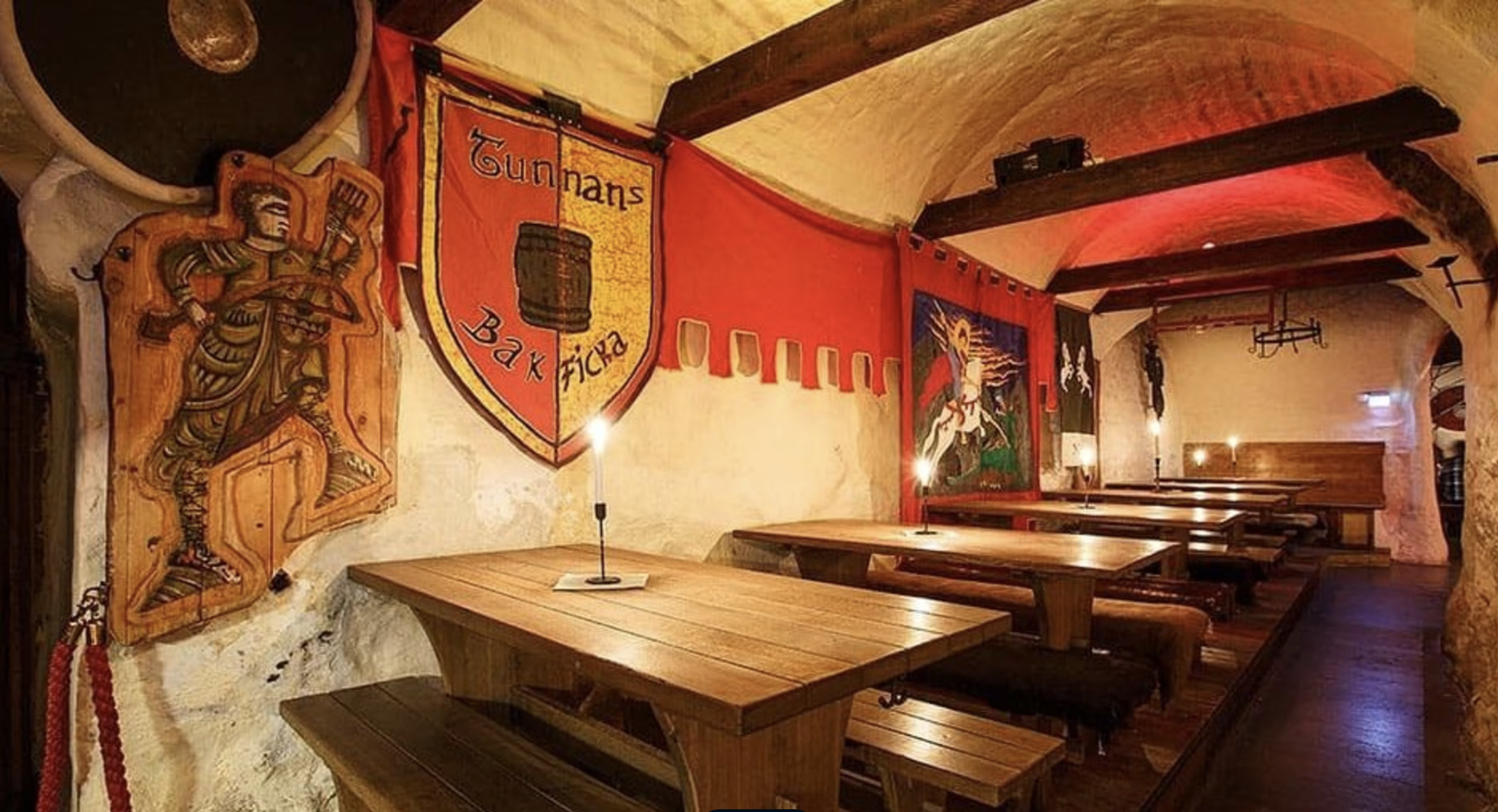
Located within The Viking Museum, this spot offers Nordic-inspired light meals and coffee. It is a convenient choice for those who want to stay close to the exhibition before joining their viking walking tours stockholm tour.
Everything you need to know for your journey
The Viking Museum is open daily from 10:00–18:00.
Yes, the museum is fully wheelchair accessible.
Yes, lockers are available for visitor use; please avoid bringing large suitcases.
Viking walking tours stockholm involve external operators; The Viking Museum admission includes its own guided tours.
The best arrival window is 10:00–16:00 to avoid peak afternoon crowds.
Yes, though an adult should accompany children under 7 on the ride.
Yes, Restaurant Eld serves Nordic cuisine onsite.
You can reach the museum by tram 7, bus 44, or by walking from central locations.
Standard adult admission is 199 SEK, which includes the exhibition and ride.
Join thousands of happy travelers who have discovered this incredible experience
Book Your Experience Now